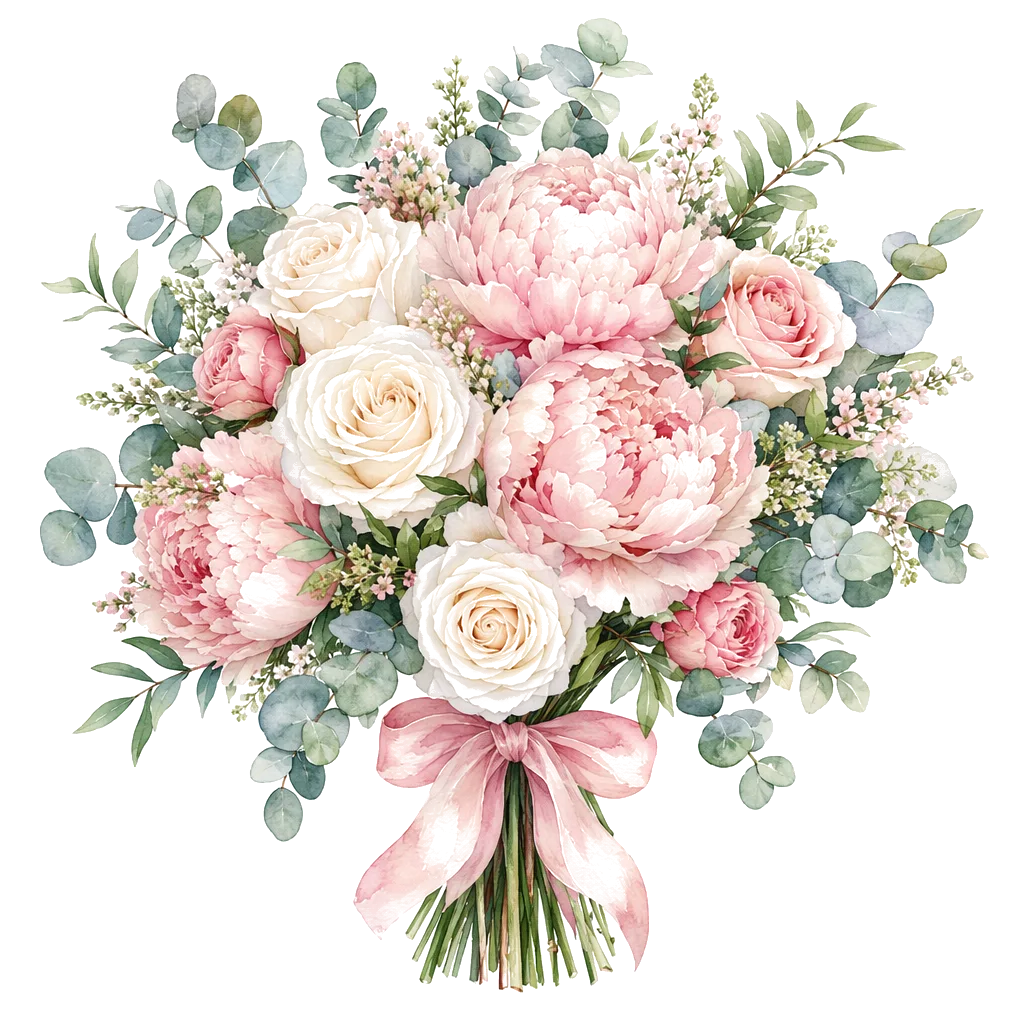
Among the wide variety of fresh cut flowers available today, few varieties provoke as much hesitation as the yellow rose. When browsing a florist stand or an online arrangement catalog, many people are naturally drawn to golden-yellow petals. The color conveys brightness, energy, and a clean, sunny presence that feels genuinely cheerful. Yet, as soon as gift-givers search for traditional meanings, they encounter a bewildering assortment of contradictory definitions. In some articles, yellow roses are framed as dedicated apology flowers; in others, they are labeled with historical tags of jealousy or waning affection; and in certain online discussions, they are even characterized as subtle hints of an impending breakup.
This dramatic clash of interpretations creates unnecessary anxiety for thoughtful gift-givers. If you present a bouquet of yellow roses to a close friend, will they wonder whether you are harboring an unstated apology? If you surprise a romantic partner with their favorite shade of bright yellow, could they interpret the gesture through the lens of internet folklore and question your commitment? And if you send them after an argument, will the recipient view the flowers as a humble overture to conversation, or as an evasive gesture that avoids genuine accountability?
Floral meanings vary across references and situations rather than following rigid rules. When giving yellow roses, the most reliable approach is to consider the recipient's personal preferences and the context of your relationship. Pairing the flowers with a clear, heartfelt card note that explains why you chose them will communicate your genuine intentions far better than relying on symbolic formulas alone.
Historical Entries, Contemporary Floristry, and Regional Narratives
To understand why yellow roses carry such divergent associations, we need to trace the primary written records that have shaped their public reputation over time.
In Western floral history, the negative associations of yellow roses stem largely from nineteenth-century Victorian floriography. British illustrator and author Kate Greenaway published her widely read book Language of Flowers in 1884, in which she explicitly cataloged the yellow rose under definitions such as "jealousy" and "decrease of love." Greenaway's work was one of many nineteenth-century gift books that assigned moral qualities and emotional states to garden plants. Because her book is now in the public domain and fully accessible through digital archives such as Project Gutenberg, it continues to be read and referenced by illustrators, history enthusiasts, and web writers. This Victorian entry remains one of the earliest verifiable written sources for the negative reputation often cited in casual trivia articles.
In contrast, modern horticultural institutions and commercial florists emphasize very different associations. In educational resources published by the Royal Horticultural Society (RHS), yellow roses are presented under themes of "friendship, caring," highlighting the warm, supportive atmosphere of the sunny blooms. At the same time, major retail floristry guides, such as Teleflora's reference resources, classify yellow roses as standard symbols of cheerfulness, joy, and lasting camaraderie, explicitly treating the Victorian association with jealousy as an older historical perspective. Crucially, contemporary commercial floristry has not eliminated the older publications from cultural memory. Because Greenaway's Victorian text and modern floristry resources exist side by side in print and online, anyone searching for yellow rose meanings today will easily encounter both viewpoints.
Regional conversations and East Asian social platforms have added further nuances to this landscape. On contemporary lifestyle forums, yellow roses are frequently described as "apology flowers," recommended as tools for expressing contrition or seeking forgiveness. Additionally, various social media posts have claimed that in Japan, yellow roses are universally recognized as breakup gifts. However, an examination of available search records and reference materials indicates that there is insufficient evidence to prove this is a nationwide, standardized custom across Japan. Personal anecdotes and niche discussions on internet forums cannot be generalized into the daily practices of an entire country. We should neither dismiss older floral definitions as mere rumors or superstitions nor elevate unverified forum posts into universal cultural truths.
Taken together, these diverse narratives demonstrate that the meaning of a floral gift is not fixed by botanical pigments. What truly shapes the message is the shared reality of your relationship, the personal preferences of the recipient, and the explicit written note you provide. If you would like to explore how other rose shades have been categorized in traditional references, you can read our broader guide on The Meaning of Roses. In practical gifting, flowers serve merely as a visual medium; clear, honest communication is what prevents misunderstandings.
Relationship First, Words First: Four Everyday Scenarios and Original Card Messages
Direct, articulate card notes can effectively express your personal intentions, but it is important to remember that no message can exert total control over how another person receives or interprets a gift. The following four scenarios offer our editorial suggestions and original card messages, designed to be adapted to your real-life circumstances.
Scenario 1: A Friend's Birthday or Milestone Achievement
Celebrating a close friend's birthday or congratulating a coworker on a major career milestone is one of the most natural settings for yellow roses. The bright, saturated yellow palette presents an uplifting, cheerful visual appearance that celebrates teamwork and shared progress. Unlike the traditional romantic connotations associated with red roses, yellow arrangements lean visually toward open, non-romantic companionship. Even so, it is wise to consider the recipient's everyday preferences—checking whether they have pollen allergies or whether their desk space can comfortably accommodate a fresh floral display.
- Original Card Message 1 (Upbeat and Specific):
"Happy Birthday! I chose these bright yellow roses because their sunny color brings such a vibrant, cheerful presence to a room. Wishing you smooth progress on your current projects this coming year, plenty of restful downtime, and lots of genuine laughs along the way."
- Original Card Message 2 (Warm and Grounded):
"Congratulations on your well-deserved promotion! Looking back over our collaborative work, I have always admired your thorough approach, steady perspective, and clear judgment. Thank you for your continued support, and I look forward to working closely with you on our upcoming initiatives."
- Editorial Rationale: Both messages keep the focus firmly on concrete life wishes and professional partnership. Highlighting phrases such as "smooth progress on your current projects" and "thorough approach and steady perspective" anchors the gift in mutual respect and camaraderie, ensuring your supportive intention is clearly stated.
Scenario 2: A Romantic Partner Who Loves Yellow
In romantic relationships, many people hesitate to give yellow roses out of concern that old folklore about breakups or fading affection might cause distress. However, if your partner has explicitly expressed an appreciation for yellow tones in clothing, home decor, or art, honoring their personal aesthetic taste is far more meaningful than yielding to arbitrary online warnings. The key is to state your choice directly, validate their taste, and express steady affection. If your partner does feel uncomfortable with yellow roses or has reservations about their historical symbolism, the most respectful response is to choose a different flower or color that they genuinely enjoy, rather than arguing or attempting to prove that your selection is correct.
- Original Card Message 1 (Affirming Color Preference and Sincere Care):
"I know bright yellow is your favorite color, so I picked these fresh yellow roses specifically for you. What you love matters far more to me than any general commentary. I hope these blooms bring a sunny note to your room today."
- Original Card Message 2 (Direct Explanation and Attentive Support):
"I always remember how much you appreciate warm, sunny yellow tones, so seeing these at the florist made me think of you right away. I chose them simply because I know they match your taste. I know you've had a demanding week—let's enjoy a relaxing dinner together tonight."
- Editorial Rationale: Explicitly stating "I know bright yellow is your favorite color" or "I chose them simply because I know they match your taste" demonstrates attentive observation of your partner's everyday preferences. Rather than arguing against historical myths, the card grounds the gesture in simple, reliable care.
Scenario 3: Apologizing and Opening Communication After a Disagreement
Following an argument or a communication breakdown, yellow roses are sometimes chosen to soften tension. It must be stated plainly, however, that flowers can never replace a substantive apology. Sending flowers without addressing personal faults can make the recipient feel dismissed, as though the sender is attempting to bypass real accountability. A floral gift can serve at most as a modest, peaceful backdrop; genuine reconciliation depends on your willingness to articulate your mistake, outline concrete changes, and respect the recipient's personal boundaries.
- Original Card Message 1 (Accountable and Open):
"Reflecting on our conversation yesterday, I was impatient and spoke hastily, which hurt your feelings. I am truly sorry for my behavior. I am sending these soft roses hoping they provide a calm visual presence on your desk. I have taken time to reflect on my actions, and I am ready to listen attentively whenever you feel ready to talk."
- Original Card Message 2 (Explicit Fault, Corrective Action, Respecting Boundaries):
"During our meeting yesterday, I interrupted you before you could finish explaining your analysis and dismissively rejected your proposal. That reaction was impatient, unprofessional, and entirely my fault. I have since gone through your project document thoroughly and updated my own notes to reflect your points. Going forward, whenever we have differing perspectives, I will wait until you have finished speaking before sharing my thoughts. Please feel no obligation to reply to this message; if you prefer to take space right now, I completely respect your choice."
- Editorial Rationale: Message 2 deliberately avoids deflecting responsibility with phrases like "we both felt overwhelmed." Instead, it explicitly names the specific wrong ("I interrupted you and dismissively rejected your proposal"), describes a concrete corrective action ("updated my own notes to reflect your points"), and directly affirms the recipient's right to remain silent or take time. Taking full responsibility without demanding an immediate response is the foundation of respectful communication.
Scenario 4: Receiving Yellow Roses Gracefully
If you find an unexpected arrangement of yellow roses on your desk with an ambiguous card or no card at all, you do not need to leap to dramatic conclusions. Without direct clarification from the sender, assuming that the flowers represent a subtle breakup hint or a concealed slight is unwarranted. Responding with grounded curiosity and calm appreciation allows for direct, healthy interaction.
- Response Message 1 (Gratitude to a Colleague or Friend):
"Thank you so much for the lovely yellow roses! Their bright color brings so much energy to my workspace. I really appreciate your thoughtful gesture, and they made my day much brighter."
- Response Message 2 (Open Curiosity in a Developing Connection):
"Thank you for sending the yellow roses—they are fresh and have such a distinctive color. With so many varied interpretations of yellow roses floating around online, I'm curious what drew you to this particular shade. Would you be free for a cup of coffee this weekend to catch up?"
- Editorial Rationale: If the sender is an established friend or coworker, a straightforward thank-you that notes the lively visual effect is entirely sufficient. In a developing or undefined relationship, an open, friendly invitation to chat in person moves the conversation back into real life, avoiding unnecessary second-guessing.
Composition and Palette Suggestions: 3 Bouquet Combinations
Monochromatic arrangements consisting solely of high-saturation yellow roses can occasionally feel visually stark or overwhelming. By adjusting visual composition, value contrast, saturation, negative space, and foliage balance, floral arrangements can achieve a more cohesive aesthetic. It is important to emphasize that the following three combinations represent personal editorial suggestions for visual composition and color harmony; they do not constitute historical floriography, nor do they guarantee emotional soothing or interpersonal reconciliation. If you wish to study how overarching color schemes influence perception, explore Flower color meanings for choosing a palette before you choose a bloom.
Combination 1: High-Saturation Yellow with Fresh Whites and Greens (Celebration and Friendship)
- Focal Flower Idea: Bright golden-yellow roses (such as varieties with clear, saturated yellow tones).
- Complementary Floral and Foliage Elements: White lisianthus, small white chamomile or daisy-form filler flowers, and slender eucalyptus greens (note: specific varieties mentioned here are conceptual suggestions; individual florists or digital tools do not guarantee the availability of particular cultivars).
- Composition and Color Analysis: Highly saturated yellow is a visually advancing color that immediately captures the eye. Incorporating substantial areas of clean white blossoms alongside deep green leafy foliage establishes crisp value contrast and provides necessary visual breathing room. The delicate, open form of chamomile and lisianthus softens the dense, spiral silhouette of the rose heads, creating a relaxed, informal arrangement well-suited for birthdays and graduation gatherings.
Combination 2: Soft Cream and Apricot Yellow with Warm Blush Accents (Warmth and Tenderness)
- Focal Flower Idea: Pale butter-yellow roses, champagne roses, or soft peach-cream garden varieties.
- Complementary Floral and Foliage Elements: Milky-white ranunculus or pompon mums, pale blush tulips, delicate white lace flower, and silvery dusty miller leaves (for design reference only).
- Composition and Color Analysis: For recipients who favor warm undertones, shifting away from intense neon-yellow toward pale cream or apricot-tinged yellow lowers the overall visual saturation. Blending these muted yellow tones with soft ivory, blush, and velvety silver foliage creates a smooth, gentle tonal gradient. This low-contrast palette minimizes sharp visual edges, while the interplay between ruffled ranunculus petals and airy lace flowers generates a rich, tactile, and understated presentation.
Combination 3: Pale Butter Yellow with Cool Blue and Silvery Gray Foliage (Understated Reflection)
- Focal Flower Idea: Soft pastel pale yellow spray roses or garden roses.
- Complementary Floral and Foliage Elements: Pale blue oxypetalum or light blue delphinium florets, ivory spray roses, and powdery silver-gray eucalyptus or dusty miller foliage (for design reference only).
- Composition and Color Analysis: This arrangement explores subtle temperature contrast across the color wheel. Pale butter yellow serves as a muted, gentle warm tone, while pale blue and silvery gray introduce cool visual accents. This balanced pairing between pale warm and pale cool tones enriches the arrangement's visual depth while maintaining an understated, restrained presence. Because the overall saturation remains low and the contrast gentle, this composition avoids visual harshness, making it appropriate for thoughtful, reflective occasions.
Practical Boundaries and Contextual Considerations
While yellow roses can be visually striking when chosen thoughtfully, several practical boundaries, social contexts, and recipient preferences should be carefully weighed:
- Courtship and Romantic Confessions Require Care:
If you are hoping to profess romantic feelings and initiate an exclusive relationship, yellow roses are generally not the most unambiguous choice in contemporary settings. Because modern floral retail and popular culture so widely associate yellow roses with platonic companionship, the recipient may reasonably interpret the gesture as an attempt to establish polite social distance or affirm friendship. If you want to keep your romantic intentions transparent and minimize interpretive confusion, pink or red varieties remain far more conventional.
- Respect the Recipient's Explicit Preferences and Interpretations:
The core purpose of giving a gift is to offer care and respect to the recipient. If you know that your recipient has reservations about yellow roses based on older symbolism, or if they simply dislike yellow, you should promptly select a different color or flower variety that they find comfortable. Gifting should never turn into a debate where you attempt to persuade the recipient that your choice is correct. Respecting their personal aesthetic and interpretation is essential for healthy interpersonal rapport.
- Check Venue and Host Guidelines for Professional, Hospital, or Memorial Settings:
Before sending flowers for a business event, hospital visit, or memorial service, confirm whether the venue and organizers accept floral gifts and check any specific requirements they may have. If specific rules apply, follow them closely; if there are no restrictions, select an arrangement based on the recipient's personal preferences rather than assuming what is appropriate.
- Never Use Gifts to Coerce Responses or Avoid Substantive Accountability:
No bouquet, whether physical or digital, can substitute for honest self-reflection and behavioral change. Following a mistake, a floral delivery must never be used to declare the matter settled, nor should it be used to pressure the recipient for an immediate response. If someone feels hurt and explicitly requests space or an end to communication, their boundary must be strictly respected. Digital gifts possess communicative presence and must never be used as a backdoor method to bypass an individual's explicit boundary. Furthermore, keep in mind that not everyone enjoys receiving cut flowers; some individuals strongly prefer practical assistance or avoid flowers altogether due to allergies or environmental preferences.
Digital Bouquet Gifting on DigiBouquet AI
When distance or daily schedules make delivering fresh flowers impractical, a digital bouquet provides a lightweight, thoughtful alternative. DigiBouquet AI offers an online platform for creating custom digital floral arrangements paired with personalized card notes, without physical delivery logistics.
To begin, visit Create a Bouquet, where you can choose between two creation paths:
- Free Builder: Pick and arrange from the interface’s existing floral assets and styles. This option is completely free and requires no account or login.
- AI Generation: Follow the on-screen prompts to design a custom bouquet and unlock your image as guided on the page (one-time guest purchases are supported).
Regardless of the creation method you choose, you can personalize the card with your recipient’s name, a brief message, and your signature. Because generative renderings may occasionally differ from expectations, take a moment to review the final card on your phone to check that stem counts look balanced and that the written text remains crisp and legible.
Once satisfied, copy the unique web link and share it directly via messaging or email. Your recipient can view the digital bouquet instantly in their browser without downloading an app or signing up for an account.
Digital arrangements give you space to compose your message carefully, pairing genuine words with a clean visual presentation that lets friends or partners appreciate your gesture on their own time.
A Practical Step-by-Step Giving Checklist
To ensure your yellow rose gift—whether physical or digital—is delivered with care and clarity, review this five-step checklist before proceeding:
- Define Your Primary Intent and Confirm Recipient Comfort:
Before selecting flowers, summarize your core purpose in one sentence: are you celebrating a friend's milestone, thanking a colleague for teamwork, honoring a partner's color preference, or offering an apology? Confirm whether the recipient enjoys flowers and whether they have any known discomfort with yellow blooms.
- Plan Balanced Visual Contrast and Color Temperature:
Choose an arrangement that suits the occasion. For friendly celebrations, consider pairing bright yellow with crisp white and green foliage; for romantic partners who appreciate warm palettes, explore soft cream or apricot-yellow transitions; for reflective or apologetic occasions, select muted tones accented by cool gray-green or pale blue.
- Draft a Direct Card Note and Verify Legibility:
Never deliver yellow roses without a clear written card. Draft your core sentence first (expressing gratitude, celebration, or specific accountability), and include the recipient's name and your signature. If using a digital arrangement, review the generated image on a smartphone screen to verify that the text and signature are crisp and easily readable. If you need to share a long, complex background explanation, send it separately as a regular text message rather than crowding the card image.
- Evaluate the Delivery Format and Setting:
Consider whether fresh flowers or a private digital link best fits the recipient's circumstances. If your relationship is experiencing tension or if the recipient has limited desk space, a low-pressure digital link allows them to review your message privately without public scrutiny.
- Respect Recipient Autonomy and Boundaries:
Once your gift is sent, remain patient and grounded. Do not repeatedly ask if they liked the flowers or demand immediate feedback. In an apology scenario, if the recipient does not reply, do not assume their reasons. If they explicitly request space or ask not to be contacted, honor that boundary completely; digital flowers must never be used to intrude upon an individual's personal space.
Frequently Asked Questions
Will giving my romantic partner yellow roses on their birthday be interpreted as a breakup signal?
Flower color alone does not establish the sender's intention. If you know your partner loves yellow, give them with confidence and mention on the card that you chose the color specifically for their taste. If you are unsure how they feel about yellow roses, simply ask them beforehand or mix in comfortable tones like white or soft pink. Prioritizing their comfort and being open about your reasons matters far more than debating symbolic lore.
What should I do if I sent yellow roses to apologize, but the recipient did not reply?
Sending flowers indicates that you hope to open a peaceful dialogue, but it does not erase past mistakes or obligate the recipient to forgive you immediately. When someone remains silent, we cannot and should not assume their reasons—they may need time to process their emotions, they may feel the core issue remains unresolved, or they may prefer not to continue the conversation. Avoid sending follow-up messages asking "Did you get the flowers?" and do not set arbitrary rules requiring you to reach out again in a day or two. If the recipient explicitly requests not to be contacted, strictly respect that boundary. Healthy relationships require honoring another person's autonomy, and digital gifts should never be used to cross those boundaries.
Are yellow roses appropriate for a colleague completing an internship or leaving the team?
Yes, in most professional workplace settings, yellow roses are a very suitable selection. In contemporary visual culture, yellow roses carry clear, non-romantic connotations, and their bright presence fits well with celebrating shared teamwork and wishing someone success in their next chapter. To keep the arrangement professional, consider pairing yellow roses with white lisianthus, eucalyptus leaves, or delicate chamomile-form blooms for an airy, tasteful look. Make sure to confirm that the office environment does not restrict floral arrangements due to allergies, and opt for a manageable size that is easy for your colleague to take home.
How should I respond if a close friend jokes that my yellow roses are a "friend-zone badge"?
A direct, lighthearted response that references your authentic appreciation works best. You might say: "I picked these because their bright yellow color is so lively and energetic—it reminded me of your positive energy, so I thought they'd look great on your desk!" By speaking openly about your appreciation for their personality and the aesthetic qualities of the blooms, you keep the conversation relaxed, sincere, and natural.
What is the ideal message length when creating a digital bouquet card?
We do not recommend following rigid word count rules; even a single, concrete, heartfelt sentence can convey genuine meaning. The most effective approach is to draft your core thought first (such as a specific thank-you, warm wish, or honest reflection), and then inspect the rendered image on a mobile screen to confirm that the text, recipient's name, and signature are clear and legible. If you have a detailed explanation or complex reflection to share, keep the bouquet card brief and send the longer explanation as a standard text message, as digital design tools do not guarantee optimal visual layout for long paragraphs embedded within images.