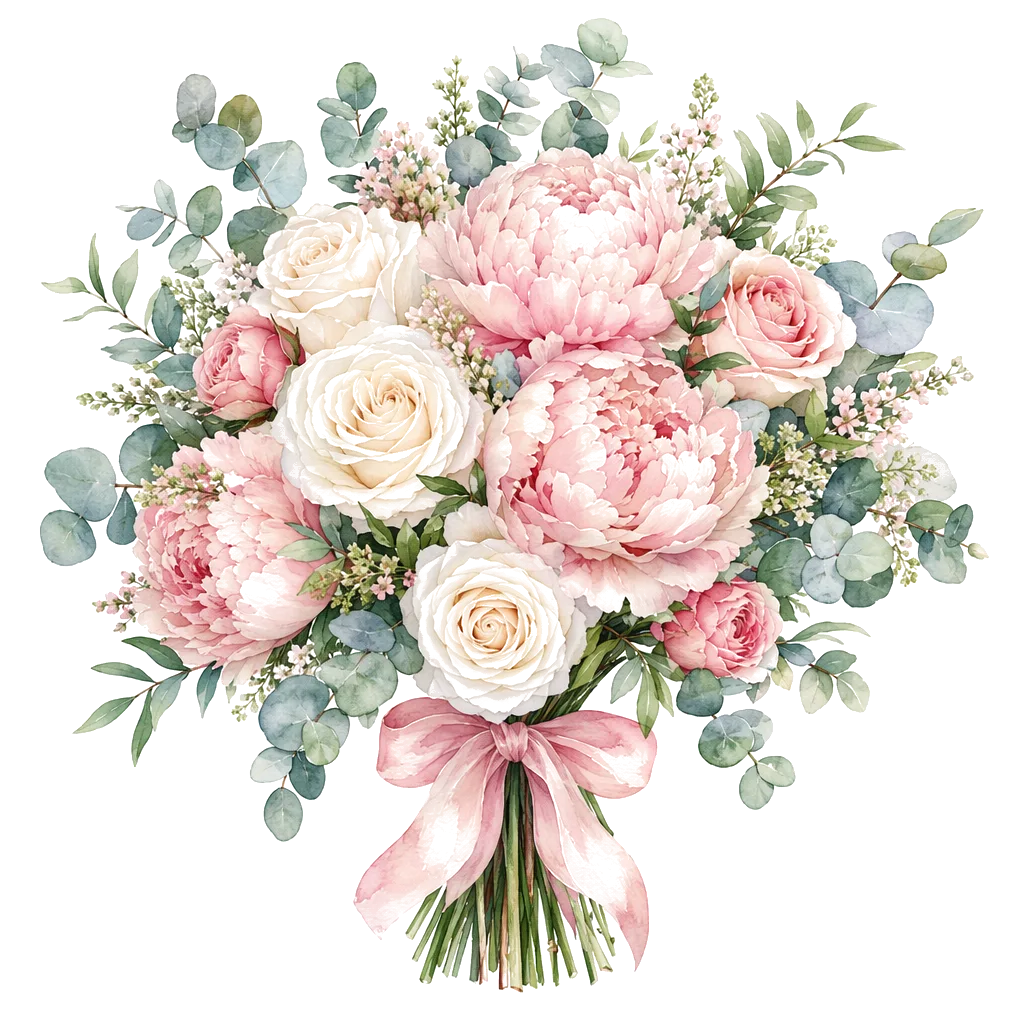
Few blooms in the floristry world evoke such starkly divided cultural impressions as the hydrangea. In contemporary celebration culture, many people embrace its dense, spherical floral heads as a welcoming symbol of heartfelt gratitude, enduring unity, and generous community. Conversely, anyone exploring nineteenth-century floriography volumes will encounter stern descriptions branding the very same plant as an emblem of vanity, boastfulness, and unfeeling detachment. For anyone looking to present a bouquet—whether honoring an elder, thanking an indispensable work partner, opening communication after an argument, or delighting a companion who loves soft blue blossoms—this sharp historical divergence can spark hesitation. Will a pale arrangement be perceived as cold? Does choosing blue declare an apology or imply emotional chilliness? How should senders navigate these divergent definitions across real-world social dynamics, and what concrete criteria should guide floral choices and written cards?
To address these questions, one must return to historical documentation and basic plant characteristics, separating human symbolic projection from actual botanical behavior. Gift decisions should always rest upon the recipient's explicit preferences and established interpersonal boundaries rather than archaic folklore or rigid formulas.
Contradictory Origins: From Historical Dictionaries to Contemporary Perspectives
To understand why hydrangeas acquired negative definitions, historical publications offer direct documentary records. In her 1884 illustrated volume Language of Flowers, British author and illustrator Kate Greenaway recorded Hydrangea under two concise entries: "A boaster" and "Heartlessness." Within the same volume, another listing under Hortensia was defined as "You are cold." It is essential to emphasize that Greenaway's book provided only these direct definitions without explaining the reasoning or origins behind the entries.
Regarding the development of nineteenth-century flower language guides, scholarship published by the Royal Horticultural Society (RHS) provides clarifying historical perspective. RHS research indicates that authors compiling floriography manuals frequently assigned meanings independently, resulting in conflicting definitions across different publications. Furthermore, identical botanical specimens frequently received completely different or opposing symbolic meanings depending on the local common names chosen by various compilers. There was never an authoritative, universally accepted dictionary of flower symbolism; historical entries reflected the literary choices of individual writers rather than standardized social codes.
In contrast to the harsh entries found in nineteenth-century British floral volumes, some modern Chinese articles on flower meanings associate hydrangeas with gratitude and reunion. In these modern contexts, the dense spherical heads, composed of numerous florets clustering tightly together, naturally suggest mutual support, familial unity, and heartfelt appreciation. Senders need not treat either vintage records or modern interpretations as unbending rules. Flowers do not possess inherent human language; their cultural meanings inevitably shift across eras and social contexts.
Color Shifting and Botanical Facts: Distinguishing Environmental Response from Moral Assumptions
Beyond accusations of boastfulness or emotional detachment, hydrangeas occasionally face another informal critique: rumors of fickleness or inconstancy. This assumption arises from the visible phenomenon where blooms on a single bush shift between shades of pink, blue, and purple across different seasons or growing environments. Observers historically projected human qualities onto this chromatic flexibility, inferring that changing petal colors symbolized wavering affections or unstable loyalties.
Linking botanical growth responses to human moral integrity lacks scientific foundation. According to guidance from the Royal Horticultural Society (RHS), the botanical reality is straightforward: some varieties' flower color is influenced by soil conditions, but not all varieties can change color like this; this cannot be used to deduce human character or emotions.
Color shifts across receptive cultivars represent a biological response to environmental conditions rather than an intentional message or an indicator of moral character. When senders hesitate out of fear that a shifting shade implies personal inconstancy, or when recipients interpret dynamic colors as wavering sincerity, both are projecting human symbolism onto natural biology. Recognizing this boundary allows gift-givers to appreciate the natural aesthetic qualities of the plant without emotional anxiety.
Moving Beyond Rigid Symbolism: Guided by Personal Preference and Relationship Boundaries
A frequent misstep in gift selection is relying on a rigid color decoding chart—assuming pink universally dictates romance, blue strictly signals an apology, and white necessarily implies cold distance. Reducing interpersonal communication to mechanical formulas often generates unnecessary worry. When considering floral gifts, consulting The Meaning of Hydrangea helps clarify how fluid and variable these associations truly are across different contexts.
In everyday gift-giving, communication is shaped by the social setting, the wording written on the accompanying card, and the mutual trust established over time. Color alone cannot determine how a recipient might interpret a bloom; taking into account their known preferences alongside a thoughtful note is a more dependable approach, and it is understandable that some may be mindful of historical meanings. In contemporary floristry and interior design, white hydrangeas frequently appear in formal ceremonies, gallery installations, and minimalist home decor, projecting serene clarity and understated elegance. Similarly, soft blue hydrangeas serve equally well as a crisp token of professional appreciation or a seasonal summer greeting.
Crucially, pink or blue does not dictate whether an arrangement is suitable for the workplace. Professional appropriateness depends on mutual boundaries, working context, and the restraint shown in card messaging, rather than flower color alone. If a colleague prefers warm pink palettes, presenting a tasteful pink arrangement accompanied by a focused, professional thank-you note respects their personal taste while honoring workplace etiquette. Conversely, a muted slate-blue bouquet paired with overly personal or boundary-crossing text remains inappropriate regardless of its subdued hue.
Senders should focus their attention on two concrete considerations: First, the recipient's known aesthetic and color preferences expressed in daily life; Second, the established boundaries of the relationship and the genuine support conveyed through the accompanying message.
Navigating Four Real-World Relationship Scenarios
To ensure floral gifts communicate clearly across different social settings, consider these practical recommendations for four common dynamics:
1. Honoring Mothers and Elders: Deep Gratitude and Enduring Care
For parental figures and respected elders, the full, dome-shaped silhouette of the hydrangea offers a comforting, grounded presence. Gift-givers sometimes fall into the habit of framing appreciation solely around domestic labor or household chores. Yet elders lead diverse lives: many have pursued demanding professional careers, others cultivate rich personal interests in literature, travel, or the arts, and many provide thoughtful life advice and emotional stability through challenging milestones.
Floral choices and card sentiments should therefore acknowledge the elder's independent character, personal wisdom, and long-standing emotional presence. In terms of palette, soft rose-blush, warm lavender, or clean green-and-white combinations create a composed, dignified visual effect. If an elder prefers understated, cool neutrals, pairing celadon-green and pale slate-blue works equally well. The core standard is honoring their individual taste rather than following rigid formulas.
2. Thanking Colleagues and Project Partners: Mutual Respect and Clear Boundaries
When concluding complex project milestones, completing cross-functional sprints, or marking team transitions, hydrangeas offer a balanced token of appreciation. As detailed in our analysis of how Thank-you bouquet ideas should change with the kind of gratitude you feel, professional appreciation succeeds when grounded in sincerity and emotional boundary-awareness.
In professional environments, the structure of a hydrangea—numerous individual florets combining to create a cohesive whole—naturally mirrors team collaboration. Suitable color combinations include slate-blue, soft celadon, clean white-and-green, or muted lavender. As noted previously, flower color alone does not dictate professional propriety; pink varieties arranged with clean, structured foliage can look entirely poised. The key is ensuring card messaging focuses on specific operational contributions, dependable teamwork, and professional excellence, steering clear of excessive sentimentality.
3. Navigating Conflict and Reopening Communication: Listening Without Demanding Forgiveness
When personal friction, miscommunication, or disagreements create emotional distance between friends, family, or partners, individuals sometimes look to flowers to ease the tension. A realistic perspective is necessary: flowers cannot resolve substantive disagreements, nor can they replace sincere dialogue and accountability. If a conflict involves fundamental boundary violations or broken commitments, attempting to resolve it through gift-giving alone is ineffective.
However, once initial emotions have cooled and both parties are open to resuming conversation, an unpretentious, visually gentle arrangement can serve as a calm accompaniment to dialogue. Muted mauve, soft lavender, or gentle blue-and-white hydrangeas convey an approachable tone without visual aggression. Card messaging requires careful restraint: First, apologies should focus entirely on personal reflection and a genuine willingness to listen, explicitly avoiding demands for forgiveness. Pressuring the recipient for immediate absolution places an unfair emotional burden on them. Second, if the recipient provides a brief reply or does not reply at all, the sender must not infer reasons or jump to conclusions. Emotional processing requires time, and respecting their personal pace is essential for rebuilding healthy communication.
4. Supporting a Partner Who Loves Blue Hydrangeas: Prioritizing Personal Aesthetics
If your partner has clearly expressed a preference for the crisp, tranquil qualities of blue hydrangeas, let that preference guide your choice. In personal relationships, responding attentively to stated aesthetic tastes matters far more than following conflicting historical lore.
Blue hydrangeas offer a distinct cool-toned visual texture. Positioning them as the primary bloom alongside white accent flowers creates a composed, timeless arrangement. Accompanying messages can highlight daily shared moments and express appreciation for their personal aesthetic, demonstrating attentive care grounded in mutual understanding.
Visual Compositions and Floral Blueprints
Because a hydrangea head possesses substantial visual density, florists typically position it as an intentional focal point. Balancing this mass with contrasting textures and foliage introduces visual breathing room. Here are three distinct arrangement blueprints:
Blueprint One: Dawn Blush (Warmth and Gratitude)
- Focal Flowers: 1–2 stems of blush-pink mophead hydrangea with evenly distributed florets.
- Secondary Flowers: 3–4 stems of cream spray roses, 2–3 stems of champagne lisianthus, and a light touch of pale pink freesia.
- Foliage & Texture: Round-leaf eucalyptus and eucalyptus seed pods distributed along the outer edges to soften the circular silhouette.
- Visual Structure: The blush hydrangea anchors the center, while cream and champagne secondary flowers step outward at varied heights, creating a smooth visual transition. Draped foliage breaks the rigid outline, producing a warm, approachable arrangement well suited for family living spaces.
Blueprint Two: Architectural Slate (Professional Respect and Balance)
- Focal Flowers: 1 stem of slate-blue hydrangea (flower options depend on current tool selections).
- Secondary Flowers: 2–3 stems of pure white lisianthus, accented with a small touch of white chamomile blooms.
- Foliage & Texture: Dusty miller and upright rosemary sprigs, providing cool-toned contrast.
- Visual Structure: Emphasizes clean lines and clear spatial definition. The slate-blue hydrangea sits slightly lower as a grounding anchor, while vertical sprigs and white accent blooms provide upward lift. This understated palette is a design suggestion for those who appreciate a restrained aesthetic, fitting neatly on an office desk or conference table.
Blueprint Three: Twilight Mauve (Gentle Reflection and Open Dialogue)
- Focal Flowers: 1 stem of soft lavender-blue or mauve-gradient hydrangea.
- Secondary Flowers: 2 stems of soft violet spray roses, accompanied by 2–3 stems of white lace flower (Ammi majus) or tweedia.
- Foliage & Texture: Mint stems or fine-leaf eucalyptus, introducing a light herbal texture.
- Visual Structure: Soft violet tones blur the boundary between warm and cool colors, while fine-textured filler flowers create an airy perimeter. The open, uncrowded silhouette feels gentle and unhurried, creating a calm backdrop for personal conversations.
Original Card Messages and In-Depth Phrasing Analysis
Regardless of how thoughtfully flowers are arranged, the accompanying card text provides essential clarity. Messages should remain authentic, specific, and attuned to the boundaries of the relationship. Here are eight original card templates across the four scenarios, followed by detailed phrasing analysis:
For Mothers and Elders
- Option A (Composed and Reflective): "Throughout the many turning points over the years, your calm perspective and steady presence have provided an enduring anchor, much like this full, sheltering bloom. Thank you for your understanding and for giving me room to grow. Wishing you a day of ease, clarity, and personal comfort."
- Phrasing Analysis: This note avoids reducing parental care to domestic labor, highlighting instead the elder's personal wisdom and steady guidance. It suits independent thinkers who appreciate thoughtful communication.
- Option B (Warm and Everyday): "Amid the rush of daily schedules, remembering our conversations always brings a quiet sense of reassurance. Step back from routine obligations today and enjoy an afternoon entirely for yourself. Thank you for your constant encouragement."
- Phrasing Analysis: Adopts a warm, everyday tone, focusing on personal relaxation and leisure while affirming their positive influence without heavy moral obligations.
For Colleagues and Project Partners
- Option A (Project Collaboration): "This project involved demanding timelines and intricate coordination, and I am deeply grateful for your steady execution and rigorous oversight at key stages. Working alongside such a dependable partner provided immense stability throughout. Thank you for your dedication."
- Phrasing Analysis: Centers directly on operational milestones and professional competence, expressing authentic appreciation while upholding workplace decorum.
- Option B (Milestone or Transition): "Looking back on the challenges we tackled together, your clear thinking and composure helped the team navigate considerable pressure. Thank you for our seamless collaboration. Wishing you smooth progress and continued success in your next chapter."
- Phrasing Analysis: Well suited for departmental transitions or project conclusions, acknowledging past teamwork while extending dignified wishes for future professional growth.
For Navigating Conflict and Reconnecting
- Option A (Accountability and Listening): "Reflecting on our conversation over the past few days, I recognize where my impatience created unnecessary friction and failed to consider your perspective. Sending these flowers is not an attempt to brush aside the issue or ask for forgiveness; I simply want you to know that whenever you feel ready to talk, I am here and willing to listen."
- Phrasing Analysis: Acknowledges personal missteps and opens the door for genuine dialogue without imposing demands for immediate absolution.
- Option B (Respecting Boundaries and Space): "We both likely need quiet time for initial tensions to settle. Take all the time you need to process things at your own pace, without any expectation of a reply. I hope these quiet colors bring a moment of calm to your week. Please take good care of yourself."
- Phrasing Analysis: Clearly honors personal space and sets no requirement for a response. Note: If the recipient provides a brief response or does not respond at all, the sender must avoid inferring reasons or making assumptions about their emotional state. Respecting their personal boundaries remains essential.
For a Partner Who Loves Blue Hydrangeas
- Option A (Affirming Personal Taste): "Passing by these blue hydrangeas immediately brought you to mind—knowing how much you appreciate their serene, cool tones. Life does not always need an elaborate milestone; I simply hope these blooms add a peaceful touch to an ordinary weekday."
- Phrasing Analysis: Directly affirms the partner's stated aesthetic preference, communicating attentive care grounded in everyday observation.
- Option B (Shared Grounding and Companionship): "The world outside can get hurried and demanding, but sharing quiet everyday moments with you always restores my sense of calm. Thank you for walking alongside me each day. Let's take a slow walk together this evening."
- Phrasing Analysis: Focuses on authentic shared experiences and daily companionship, paired with a simple, relaxed invitation.
Creating and Reviewing a Digital Hydrangea Bouquet on DigiBouquet AI
In modern life, geographical distance, sudden travel, pollen allergies, or restrictive workplace settings can make delivering fresh cut flowers difficult. Digital floral cards provide an accessible, contemporary alternative for sending thoughtful greetings.
Senders can design personalized digital keepsakes on the DigiBouquet AI platform by visiting Create a Bouquet:
- Select a Design Path:
- Free Assembly Tool: Build an arrangement by selecting directly from existing floral stems, foliage types, and card styles already available on the page. This method requires no account login and works well for composing structured bouquets quickly.
- AI Bouquet Generator: Senders seeking bespoke lighting, painterly textures, or specific artistic styles can follow on-screen prompts to design and unlock an original digital bouquet image.
- Input Card Details:
- Enter the recipient's name, craft your customized card message, and add your signature in the dedicated interface fields. The platform formats these elements into a cohesive display alongside the floral visual.
- Review Finished Artwork Before Sharing:
- Verify Visual Composition: Note that AI-generated imagery may differ from initial mental expectations regarding proportions or color distribution. Always review the completed image carefully to confirm that the floral cluster functions effectively as a focal point and that accent elements feel balanced. If the visual does not match expectations, adjust prompt phrasing to generate a fresh variation or switch to the manual assembly tool.
- Check Typography and Line Breaks: Examine the preview to ensure message line breaks fall naturally, punctuation renders properly, and signatures appear in appropriate positions across mobile and desktop displays.
- Assess Contrast and Readability: Verify that text colors contrast clearly against the card background, ensuring the message reads comfortably without visual clutter.
- Share the Standalone Link:
- Once satisfied with the preview, generate a clean sharing link to send via email or messaging apps. Recipients open the link directly in any standard browser to view the complete card and floral artwork, with no account registration, login, or app installation required.
Deciding between digital and physical floral gifts should depend on the recipient's lifestyle, schedule, and living environment. Fresh cut flowers offer direct fragrance and tactile presence for individuals who enjoy botanical care and have space for arrangements. Digital floral gifts offer a clutter-free alternative for individuals who travel frequently, work in compact offices, or reside in hospital settings. Each medium serves distinct situations, and neither holds absolute superiority over the other.
Practical Questions and Clarifications (FAQ)
Q1: Could sending white hydrangeas cause awkwardness in conservative or formal settings?
If someone has explicitly expressed hesitation or specific preferences regarding monochromatic white blooms, it is considerate to respect those stated feelings and avoid an all-white arrangement. Instead of assuming a palette change resolves every concern, select flowers based on colors the recipient is known to prefer, or pair blooms with warmer tones. If their preferences are unknown, asking beforehand what flowers or colors they enjoy is a simple, considerate option.
Q2: Can delivering a blue hydrangea arrangement resolve a serious dispute?
No. Flowers carry no inherent capacity to resolve substantive interpersonal conflicts. If a disagreement stems from broken trust, differing values, or boundary violations, a bouquet cannot substitute for direct accountability, nor will it lower psychological defenses. Treating flowers as a quick fix can even appear performative or evasive. Blue hydrangeas serve solely as a quiet, non-confrontational visual presence when both parties have already cooled down and expressed a mutual willingness to reopen dialogue. The resolution of any conflict rests entirely on honest communication, attentive listening, and tangible behavioral adjustments.
Q3: Because a hydrangea bloom is so full, does displaying a single stem look sparse?
No. In contemporary interior styling, a single full hydrangea head functions exceptionally well as a standalone focal point. Its dense cluster of individual florets creates strong architectural presence and visual interest. Placing a single, well-conditioned stem into a heavy ceramic vase or a fluted glass cylinder highlights the natural geometry of the bloom without visual clutter, making a refined statement on a console, coffee table, or desk.
Q4: How should senders choose between a digital floral card and a fresh bouquet?
The choice between digital and physical flowers should be guided entirely by the recipient's daily habits, personal preferences, and spatial constraints, rather than viewing one format as inherently superior. Physical blooms offer living textures and organic scent, making them ideal for recipients who appreciate gardening and have time for vase maintenance. Digital floral gifts eliminate maintenance, transport delays, and allergy concerns, allowing recipients to view their personalized card instantly on mobile or desktop devices. When paired with specific, heartfelt writing that reflects the reality of the relationship, both mediums convey genuine care.