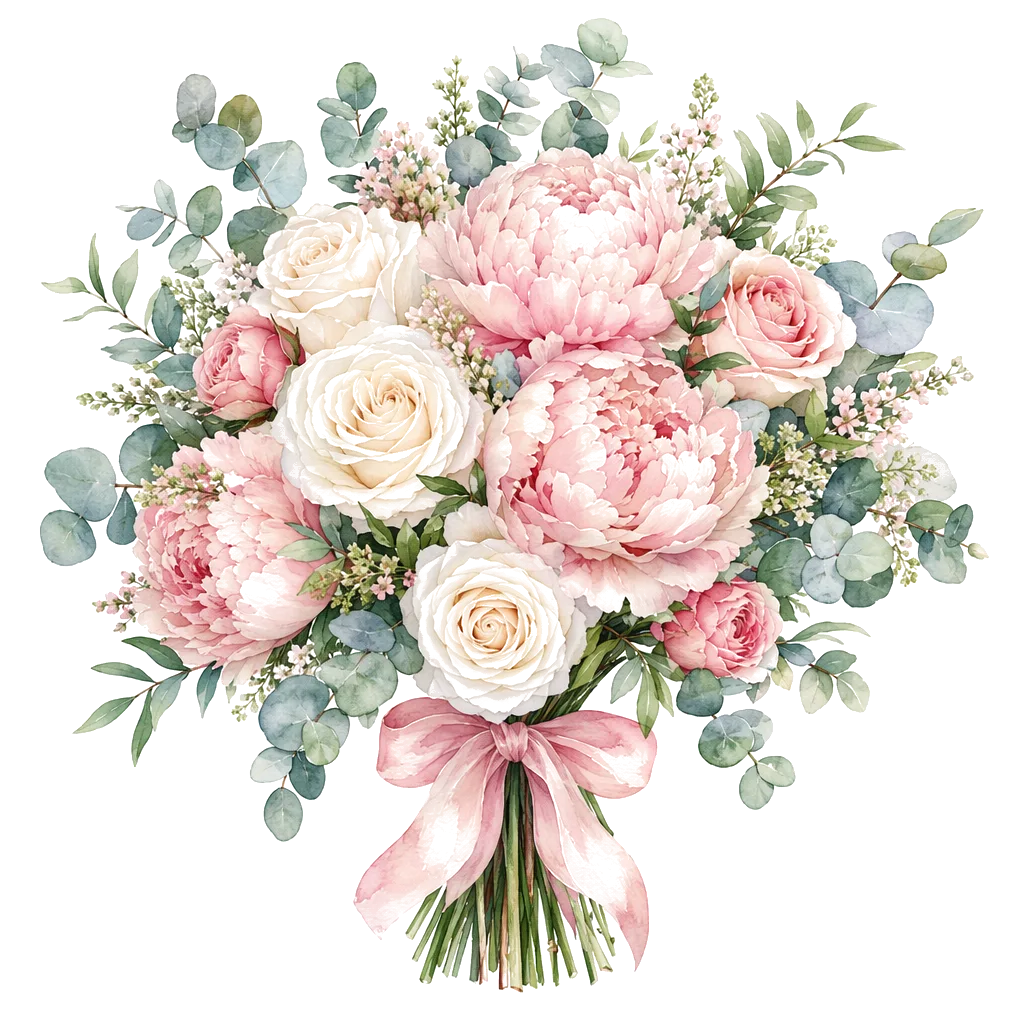
Condolence gifts are easy to misread. You want to comfort; the other person may only be trying to get through a foggy stretch of days. In grief, bright or overly optimistic gestures can feel like pressure. A strong sympathy bouquet stays respectful, quiet, and easy to receive — care without demanding a particular emotional reply.
That is why sympathy flowers follow different rules than get-well bouquets. Recovery gifts lean toward improvement. Sympathy gifts often cannot point anywhere so clearly. They accompany, remember, and name that something real was lost. Lily, lotus, camellia, and restrained daisy pairings usually create calm and dignity instead of forced uplift. Then Create Free Bouquet or mention a calm palette when you Create AI Bouquet.
Condolence bouquets need restraint before beauty
Begin with the job of the bouquet: acknowledge loss, mark a service, reach someone after public attention fades, or honor a remembered person. In each case, visual restraint matters. Beauty can still be present — it should not be the loudest signal.
| Condolence moment | Best tone | Useful flowers |
|---|---|---|
| Before a service | Respectful, formal, calm | Lily, Lotus, Camellia |
| After the service | Gentle, sustained, present | Camellia, Lily, Daisy |
| Remembrance or anniversary of loss | Quiet, reflective, honoring | Lotus, Lily, Orchid |
Before a service or funeral, keep the bouquet formal and clear
When grief is acute and rituals are near, clarity and restraint are safest. The note can be very short. It does not need to summarize the loss — only sympathy, presence, and respect. White and cream palettes often leave useful emotional space.
- "I am so sorry for your loss. Thinking of you and your family with deep sympathy."
- "Holding you in my thoughts and sending this with care and respect."
- "May this bouquet carry a small sign of love and remembrance during a heavy time."
After the service, when the silence gets longer
After a funeral or memorial, public support often thins while grief stays active. A bouquet then can feel especially meaningful because it does not arrive with the crowd. Tone can warm slightly and still stay gentle. Camellia and lily pairings signal continued care rather than ceremony.
- "I know the days after everything quiets down can feel especially strange. I am thinking of you and sending this with care."
- "You do not need to answer this. I only wanted to remind you that you are still being thought of with love."
- "I hope this small bouquet brings one quiet moment of softness into a difficult stretch."
Writing to immediate family requires simplicity and respect
Immediate family are often overwhelmed with arrangements or shock. Keep the note short unless you are close and have something specific to say. Distance favors brevity. Closeness may allow one sincere line about the person who died — only when it is true and useful.
- "I am deeply sorry, and I am holding your family with so much care."
- "Your father’s kindness stayed with many people, including me. I am thinking of you with love."
- "There are no right words for this, only real sympathy and a wish that you feel held by people who care about you."
Writing to a friend in grief can hold a little more closeness
For a friend, the note can carry more personal warmth without forcing uplift. Strong lines offer companionship, memory, or quiet presence. Daisy can soften ceremony when paired carefully with lily or camellia.
- "I wish I could take some of this weight off your shoulders. Since I cannot, I am sending this as one small sign that you are not alone in it."
- "I keep thinking of you and of how much love is wrapped into the grief you are carrying right now."
- "I am here for the practical parts, the quiet parts, and the parts that do not have words yet."
Flowers and phrases that often misfire in sympathy gifting
- Avoid bright celebratory palettes unless you know the family would truly welcome that tone.
- Avoid phrases like "everything happens for a reason" or "they are in a better place" unless you share the belief and the relationship strongly supports it.
- Avoid making the note about your discomfort with grief.
- Avoid urgent positivity or attempts to rush healing.
- Avoid very romantic flowers like strong red roses unless the bouquet is from a spouse or partner — and even then use restraint.
Quiet bouquet directions that work for remembrance
For remembrance, lotus and lily invite reflection. Camellia adds loyalty and tenderness. Orchid in small amounts can feel intentional and dignified. The aim is to honor the loss, not dramatize it. Soft palettes, open space, and short sincere wording usually work best on DigiBouquet AI.
If you knew the person who died well, one sentence of memory can do more than a paragraph of abstraction. If you did not, keep the focus on care for the person receiving the bouquet.
How to mention the person who died without taking over the note
A concrete line of memory can root the note when you knew them — a quality you saw, or a moment that stays with you. Keep proportion: the message is for someone in grief, not a showcase of your own memories. Short, sincere, and tied to care for the recipient.
If you did not know them well, do not invent closeness. Honest sympathy beats forced elaboration every time.
Read next
If the person is healing rather than grieving, move to Get Well Soon Flowers. For sentence-building help, see Digital Bouquet Message Ideas. To choose blooms, start with Flower Meanings.
Sources
- The Emily Post Institute: Sympathy Flowers
- The Emily Post Institute: Sympathy Notes and Letters