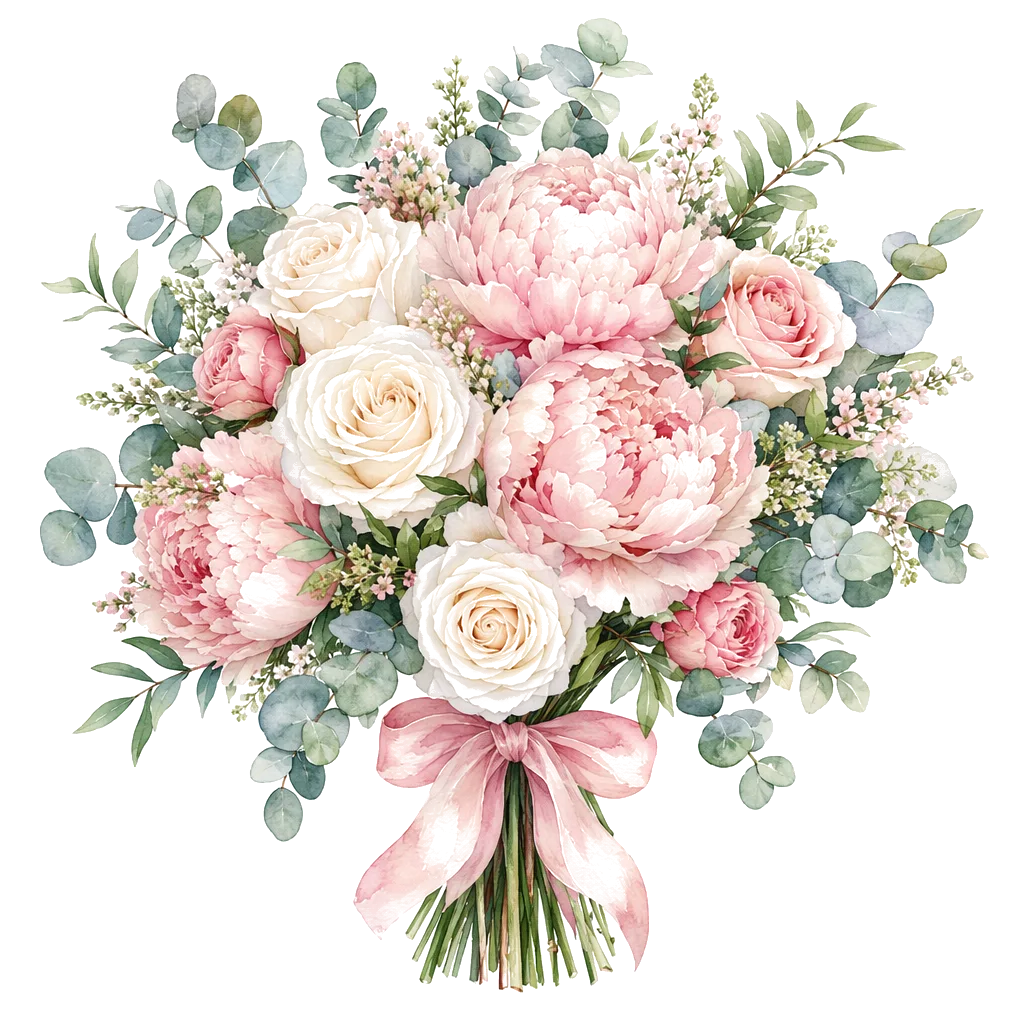
The fastest way to make a digital bouquet feel generic is to treat it like a random click path: pick pretty blooms, then a card, then force a note to match. A clearer process runs the other way — purpose, tone, structure, wording — so each choice supports the last. You can Create Free Bouquet with full control, or Create AI Bouquet from a short prompt once that intention is clear.
Digital gifting is not only a stand-in for doorstep flowers. DigiBouquet AI often works best when timing, distance, or emotional immediacy matter more than logistics. A bouquet can arrive the moment you mean it. This guide focuses on making that format feel considered, not improvised.
Choose Create Free Bouquet or Create AI Bouquet
Once the intention is clear, pick the path that matches how much control you want:
- Create Free Bouquet — build step by step: flowers → greenery → card → message → mood. No account required to assemble and share.
- Create AI Bouquet — Style → Mood → Bouquet → Card → Generate. One finished image includes the arrangement, note card, and lighting. Then Download Image or Copy share link. Sign in for starter credits to generate; exports may include DigiBouquet AI branding unless you subscribe.
Use the free builder when you want bloom-by-bloom control. Use AI when you know the feeling and want a finished look from a short prompt.
Start with one gifting intention, not a list of emotions
Before any visual choice, name the main job: celebrate, reassure, thank, reconnect, or show affection. Feelings are mixed, but the bouquet still needs one central lane. A birthday can also carry appreciation; support can also carry closeness. You are not flattening emotion — you are giving the design a clear emotional center.
| Main intention | Best starting question | Likely lead flowers |
|---|---|---|
| Romance or affection | Should this feel direct or gentle? | Rose, Peony, Camellia |
| Support or recovery | Should this feel calm or uplifting? | Lily, Lotus, Daisy |
| Gratitude or respect | Should this feel polished or warm? | Orchid, Camellia, Daisy |
| Celebration or visibility | Should this feel playful or full? | Tulip, Peony |
Choose the lead flower before you think about supporting blooms
With intention set, pick one lead bloom for the headline emotion. Supporting flowers refine; they should not compete. Three equally strong blooms often blur the read. The lead creates the first impression; supports answer what kind of love, support, or gratitude.
For help picking the lead, use Flower Meanings. Roses clarify romance. Peonies broaden celebration. Lilies steady the pace. Tulips add freshness. Orchids add polish. Camellias add quiet loyalty. Lotus brings reflection and renewal. DigiBouquet AI also includes blooms like sunflower, lavender, hydrangea, and more — once the headline emotion is fixed, later choices get easier.
Use color and greenery to control the tone, not only the prettiness
After the lead flower, color shapes tone: bright, soft, elegant, grounded, or spacious. Warm pinks and reds push forward; soft blush creates closeness; white and cream create room; purple feels deliberate and elevated. Greenery slows the pace and keeps saturated palettes from feeling crowded.
Many bouquets fail through tonal mismatch — a support note on a hot celebratory palette feels noisy; a romantic note on an overly cool palette feels reserved. If color still feels hard, use Flower Color Meanings before you finalize, or describe the palette in your AI Bouquet prompt.
Match the card to the relationship — and to the path you chose
On Create Free Bouquet, card design quietly changes how the gift is read. Botanical or soft cards feel more personal; richer cards elevate milestones; simple cards work when the note carries most of the emotion.
On Create AI Bouquet, the note card is part of the generated image — write To / Message / From before you generate so the wording is baked into the finished look.
Casual relationships usually need clean, readable cards. Intimate or major occasions can hold more design presence. The card should never out-drama the note — gentle notes need gentle cards; celebratory notes can hold more visual confidence.
Draft the message before you polish it down
Do not write the final line in one pass. Draft the longer version of what you mean, cut repetition, remove anything that sounds copied, and keep what sounds like you. Most strong notes reduce to three parts: why you are reaching out, what you want them to know, and one closing line specific to them.
For a writing framework, use Digital Bouquet Message Ideas. Birthday, anniversary, sympathy, and long-distance pages help most after the bouquet already has a direction.
Decide whether the link should arrive instantly or at a chosen moment
Timing changes the feel. Instant sends fit immediate emotion: a hard week, spontaneous affection, a same-day birthday. Chosen moments fit anniversaries, post-interview windows, exams, or surgery recovery.
Context matters. A deep note in the middle of a workday can be hard to receive. Lighter bouquets travel almost anytime; heavier ones often fit evening or early morning. Aim for when they can feel it — not only when sending is convenient.
When a digital bouquet works better than a physical gift
DigiBouquet AI is not always a replacement for doorstep flowers. It solves different problems: timing over logistics, distance as the main barrier, emotional rather than material gestures, or low-friction gifts that still feel considered. That makes it strong for long-distance ties, quick support, follow-up appreciation, and ordinary-day affection.
It also fits lower-waste intent — no shipping, packaging, or disposal — without automatically beating physical flowers for meaning. It simply matches certain occasions: quick emotional visibility, a lighter footprint, and repeatable thoughtful gestures that do not depend on delivery infrastructure.
Think about the receiving experience, not only the sending experience
It is easy to obsess over how the bouquet feels while you build it and forget how it feels to open. Will they be alone, commuting, between meetings, winding down, or waking up? The same arrangement lands differently in each context — romance on a quiet evening versus a rushed lunch; support at day’s end versus mid-meeting.
Restraint helps. Busy open moments call for shorter notes and lower emotional demand. Space to breathe lets the message expand. Building well means designing the receiving moment, not only the arrangement.
Final pre-send review for a clean gifting experience
- Confirm the lead flower matches the main reason you are sending.
- Check that palette and card style reinforce the same emotional tone.
- Read the message once out loud and cut any line that sounds borrowed.
- Confirm the DigiBouquet AI link is ready for the place and timing you want.
- Ask whether the bouquet feels true to the relationship, not only attractive on screen.
Read next
If you still need to choose flowers, start with Flower Meanings and Flower Color Meanings. If only the note feels unfinished, move to Digital Bouquet Message Ideas. For specific cases, try Birthday Bouquet Messages and Long-Distance Relationship Flowers.
Sources
- Royal Horticultural Society: Plants for special occasions
- Smithsonian Gardens: The Language of Flowers