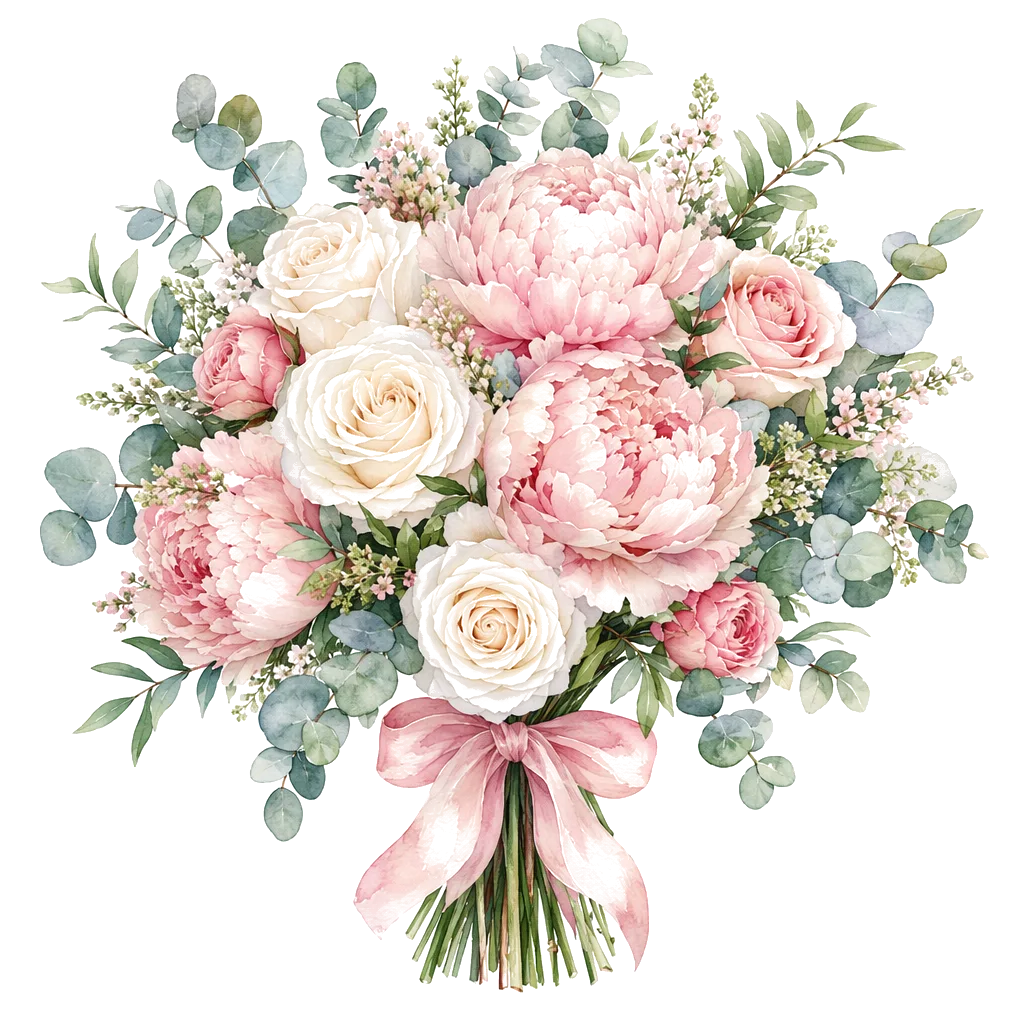
Recovery is rarely one emotion. Someone may be exhausted, frightened, in pain, or tired of being told to stay positive. A get-well bouquet should not read like a celebration. Build it like a calm visit: respectful, hopeful, and light enough to receive without effort — Create Free Bouquet or Create AI Bouquet with a soft palette prompt.
Blooms such as lily, lotus, daisy, and camellia comfort without emotional noise. The note matters equally. Strong recovery wording says: I care, I am thinking of you, and I am not asking you to perform wellness for me.
Recovery bouquets should lower pressure, not raise it
A simple test: does the gift make them feel cared for, or add one more thing they must emotionally answer? Heavy enthusiasm can be harder to receive than gentleness. Calm, brief notes with generous space usually land better.
| Recovery context | Best tone | Useful flowers |
|---|---|---|
| Hospital stay | Quiet, gentle, undemanding | Lily, Lotus, Daisy |
| Home recovery | Warm, steady, slightly brighter | Camellia, Tulip, Lily |
| Long recovery or ongoing treatment | Respectful, durable, calm | Lotus, Camellia, Lily |
What works best for hospital recovery
Hospitals change how messages land. People are tired, interrupted, uncomfortable, and flooded with updates. Keep the bouquet visually calm and verbally light — support, not energy; presence, not motivation.
- "Sending something quiet and gentle your way today. No need to answer, just wanted you to feel cared for."
- "I hope this bouquet gives you one small pause in the middle of everything medical and exhausting."
- "Thinking of you and hoping today holds at least a little more rest than yesterday."
Lotus plus lily suggests calm and steady hope. Add daisy only if you want a touch of brightness without tipping into cheerfulness that mismatches the room.
What works better once someone is recovering at home
Home recovery can usually hold more warmth and color — more privacy, a bit more room to receive. Stay soft, not loud. Camellia, tulip, and lily often offer reassurance with a little life.
- "I hope home feels softer than the last few days have, and that this bouquet adds one little piece of brightness to the room."
- "Just wanted to send something thoughtful while your body does the slow work of getting stronger."
- "Recovery can be uneven, so I am not sending pressure, only care and a little color for your day."
Let the relationship change the level of closeness in the note
A spouse or close friend can write with more familiarity than a coworker, neighbor, or extended relative. Closer ties allow more personal detail. Formal ties need simple, supportive language — do not force intimacy that is not there. A short believable note beats a long borrowed one.
Flower choice follows the same line. Close relationships can usually hold camellia or softer rose accents if the note stays calm. More distant ties often work better with lily, lotus, and daisy — supportive without overstepping.
When not to sound cheerful, even if you mean well
Forced optimism can make someone feel unseen. When pain, fatigue, or uncertainty is real, an overly upbeat note can read as avoidance. Light, believable cheer helps; in many recoveries, gentleness supports more than enthusiasm.
Prefer calm hope: more rest, less discomfort, a smoother day. Concrete wishes honor healing without pretending the hard parts away.
Bouquet structures that support instead of perform
For calm, lead with lotus or lily, then add camellia or daisy for steadiness or a little brightness. If they are already improving, tulip can lighten without overdoing it. Keep palettes soft — white, cream, pale green, gentle blush beat saturated celebration colors on DigiBouquet AI.
For longer recoveries, consistency outranks intensity. A quiet bouquet and a short true note usually help more than an elaborate gesture that asks them to match its energy.
Phrases to avoid when someone is healing
- Avoid "You will be back to normal in no time" unless you know that is actually true.
- Avoid making the person comfort you about their condition.
- Avoid overly cheerful slogans that skip over pain or fatigue.
- Avoid asking for detailed updates unless the person has invited that.
- Avoid turning the message into advice.
Timing the send so the gesture lands gently
Send earlier if evenings are hard. Prefer quieter hours around treatment or appointments. When unsure, calm mid-morning or early evening is often easiest. Support should arrive as relief, not interruption.
If you are close, a short follow-up the next day can reinforce the bouquet without asking for anything. Steady light contact often beats one intense burst.
Read next
If the situation is grief rather than recovery, use Sympathy Flowers. For the broader writing framework, go to Digital Bouquet Message Ideas. If you are still choosing blooms, start with Flower Meanings.
Sources
- National Institutes of Health: Social Wellness Toolkit
- Royal Horticultural Society: Plants for special occasions