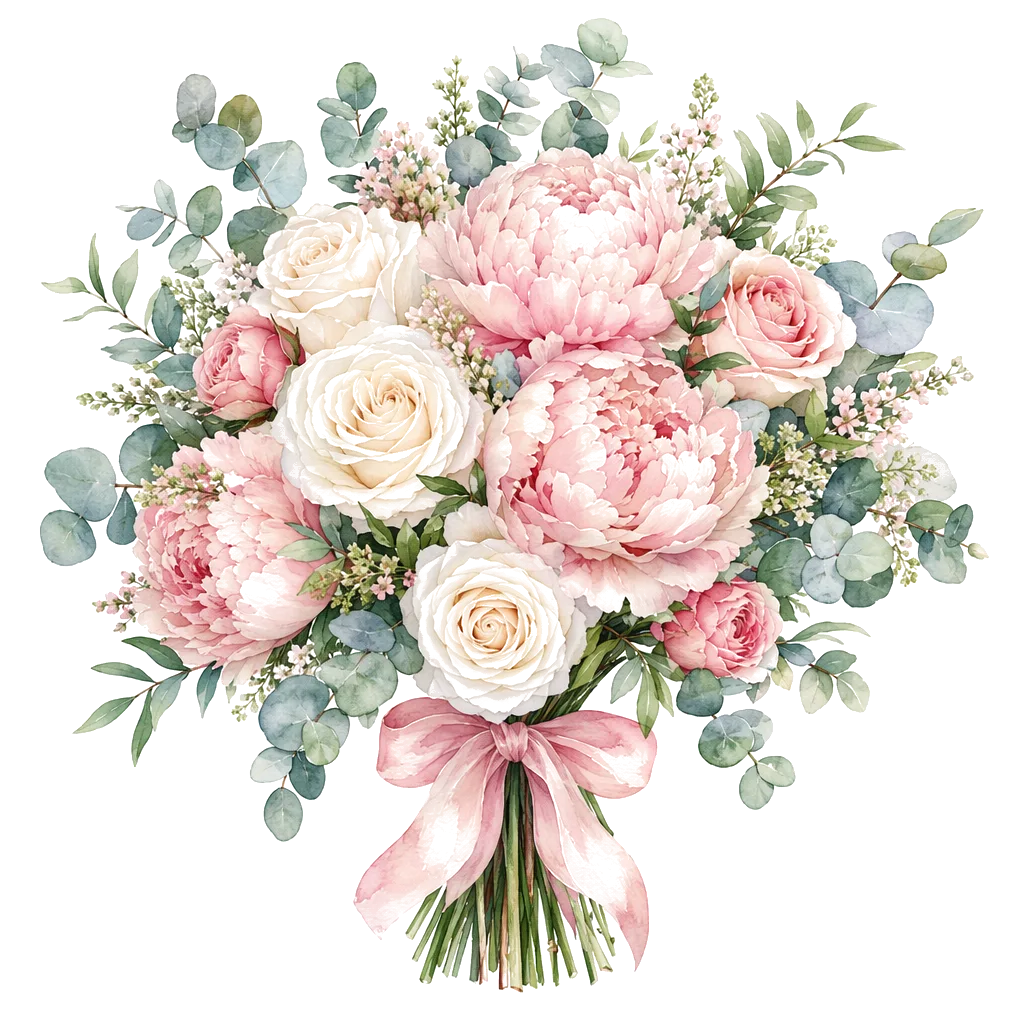
Classic flower-meaning pages often stop at poems, paintings, and old bouquet lore. Useful history — still not the question most people ask before they send: what should I send this person, today?
People rarely send a single pure symbol. They send a frequency — affection plus reassurance, celebration without theatrical noise. This guide treats symbolism as a starting point and decision-making as the goal across DigiBouquet AI’s sixteen blooms.
On DigiBouquet AI, let one lead flower carry the headline emotion; supporting blooms refine soft, bright, steady, or polished. Sections below cover what each flower communicates, who it suits, and where it can misread. Then Create Free Bouquet or Create AI Bouquet.
Practical patterns before you pick a bloom
Before individual flower notes, a few send habits that show up again and again on DigiBouquet AI — practical cues, not historical lore:
- Light check-ins: Daisy or tulip leads often fit midweek “thinking of you” notes when you want warmth without heavy romance.
- Apology without cliché: Peony with lily can feel more restorative than a default red-rose apology when you need sincerity without drama.
- Long-distance steadiness: Camellia often reads as enduring presence — useful when the gift should feel loyal, not theatrical.
Start with the relationship before you start with the bloom
Partners can usually hold heavier emotional blooms. Friends, mentors, coworkers, and many family ties often need steadiness, warmth, and respect without accidental romance. On DigiBouquet AI, treat flower meanings as filters — not trivia. Instead of “what does a rose mean?” ask “would a rose make this message clearer or more confusing?”
| Relationship | Best lead flowers | What they communicate well | What to avoid |
|---|---|---|---|
| Partner or spouse | Rose, Peony, Camellia | Love, devotion, warmth, admiration | Overcool palettes that flatten the feeling |
| Friend | Daisy, Tulip, Lotus | Encouragement, sincerity, light affection | Heavy romantic combinations led by roses |
| Family member | Peony, Lily, Camellia | Care, grace, gratitude, steadiness | Performative or overly formal wording |
| Mentor or coworker | Orchid, Lily, Daisy | Respect, polish, appreciation | Pairings that create accidental romance |
Rose: when the message needs emotional clarity
Roses remain the clearest DigiBouquet AI lead when you want love, devotion, or direct admiration to land without ambiguity. They fit when the relationship already supports that intensity — anniversary notes, just-because love, affectionate partner check-ins. A rose-led bouquet says this is emotionally specific, not a generic bright gesture.
Roses also benefit the most from supporting flowers because they can easily become too singular. Add peonies if you want the bouquet to feel generous and celebratory. Add lilies when you want romance with more grace than drama. Add camellias if the message is about loyalty, long-term affection, or steady love rather than grand passion. Avoid using roses as the lead flower for coworkers, casual friends, or broad thank-you notes unless the rest of the bouquet strongly softens the signal.
Peony: when celebration should still feel warm
Peonies give DigiBouquet AI arrangements abundance and emotional openness without locking into narrow romance. They shine for birthdays, milestones, family appreciation, and softer anniversaries — fullness that says the occasion matters. Among the sixteen blooms, peony is one of the most flexible leads when you want warmth without rose-level romantic charge.
Peonies are also one of the easiest flowers to adapt by pairing. With roses, they become deeply affectionate. With daisies, they become friendlier and more celebratory. With camellias, they become steadier and more mature. If you are unsure whether a bouquet should feel festive or tender, peony is often the safest lead choice because it stretches comfortably toward both. The main mistake is using peonies when the message needs restraint. For condolences or more formal respect, lilies or lotus flowers usually read better.
Tulip: when the tone should feel fresh, clear, and approachable
Tulips signal renewal, clarity, and light affection. Use them for birthdays, fresh starts, everyday encouragement, and notes that should feel bright rather than deep. On DigiBouquet AI they help a bouquet sound like a real person — less ceremonial than lilies, less loaded than roses — ideal when someone wants thoughtfulness without intensity.
Tulips pair especially well with daisies when you want friendliness and ease, or with lilies when you need more composure. They also work in long-distance gifting when the goal is to feel lively and present rather than dramatic. The main risk with tulips is undershooting a serious moment. If the message is about grief, deep reassurance, or major romantic commitment, tulips should usually support another flower rather than lead the whole arrangement.
Daisy: when sincerity matters more than symbolism
Daisies are the best choice when you want a bouquet to feel open, kind, and unstaged. They are strong for friendship, gratitude, casual support, and family messages that should feel natural instead of ornate. If you are writing to someone who values straightforward warmth more than lush sentiment, daisies help the gesture stay believable. They are especially useful when paired with tulips or orchids because they keep polished bouquets from becoming too distant.
Daisies are also useful for resetting the tone of other flowers. A bouquet that includes peony or orchid can become easier and more approachable once a daisy is added. That makes daisies ideal supporting flowers in mixed messages, such as "I appreciate you and I hope things get easier soon." The main limitation is emotional scale. If the moment is deeply romantic, ceremonial, or solemn, daisies alone can feel too light. In those cases they should brighten the bouquet rather than carry it.
Lily: when grace, respect, or calm support should lead
Lilies bring elegance and space. They work when the note needs dignity, respect, recovery-oriented support, or restrained affection. This makes them especially effective for family messages, supportive gestures, get-well bouquets, and any situation where emotional volume should stay moderate. Lilies help a bouquet breathe. They create room for the message rather than overwhelming it with symbolism.
Because lilies are composed rather than loud, they pair well with stronger flowers. With roses they make romance feel more mature. With lotus they create a calm recovery or encouragement tone. With orchids they signal polished respect, which works well in gratitude or professional appreciation. The main mistake is using lilies as if they were emotionally self-sufficient. On their own they can seem distant, so it is often best to pair them with a warmer flower when the relationship is close.
Orchid: when admiration should feel polished and intentional
Orchids communicate admiration, rarity, and polish. They are strong when you want the bouquet to feel intentional and elevated, especially for mentors, long-distance partners, collaborators, or recipients whose taste runs more refined than playful. An orchid-led bouquet suggests that you made a choice, not just a selection. That can be very effective when the message is about pride, respect, or deep appreciation expressed with composure.
Orchids become more emotionally adaptable when paired with camellias, roses, or daisies. Camellias make them warmer, roses make them more romantic, and daisies make them more human and less formal. Orchids can misread only when the recipient expects something more casual or spontaneous. If the relationship is very easygoing, use orchid as an accent rather than the lead unless you want the bouquet to feel especially curated.
Camellia: when the message is about steady affection
Camellias are one of the best flowers for mature affection, dependable care, and admiration without spectacle. They work beautifully in long relationships, family appreciation, and encouragement that should feel grounded rather than urgent. If your note says, "I value how consistently you show up," camellia is often a better lead flower than rose or peony. It signals depth through steadiness instead of through intensity.
Camellias also bridge categories well. They can support romance without making it louder, gratitude without making it formal, and support without making it solemn. Pair them with peonies for warmth, with orchids for polish, or with lilies for calm elegance. The main limitation is that camellias do not project quick celebration especially well. If the moment is meant to feel festive or high-energy, tulips or peonies will usually carry that tone more clearly.
Lotus: when the bouquet should feel centered and hopeful
Lotus flowers are best for renewal, inner strength, recovery, and reflective encouragement. They suit recipients who are moving through something difficult, rebuilding, or trying to regain calm. A lotus-led bouquet does not shout comfort. It conveys quiet belief in the person's ability to continue. That makes it valuable for support messages that should feel respectful rather than emotionally crowded.
Lotus works especially well with lilies and daisies. Lilies deepen the calm; daisies prevent the arrangement from feeling too solemn. Used with restraint, lotus can also support long-distance messages when you want to say, "I am thinking of your inner life, not just the occasion." The main thing to avoid is using lotus for purely celebratory events with no reflective tone at all. In birthdays or playful romance, it can feel too meditative unless balanced by brighter flowers.
What to do when the message carries more than one feeling
Many real bouquets carry mixed intent. You may want to say thank you and I miss you. You may want to say I love you and I hope you rest. In those cases, use one flower for the headline feeling and one or two supporting flowers to define the atmosphere. For example, rose plus lily plus camellia says romance with maturity and steadiness. Peony plus daisy plus orchid says gratitude with brightness and polish. Lotus plus lily plus tulip says support that still leaves room for optimism.
If you are unsure how to balance the mix, write the note first. Then ask which flower would sound like the first sentence of that note. That bloom should lead the bouquet. Supporting flowers should never change the core meaning entirely. They should only refine it.
Common flower meaning mistakes that make a bouquet feel off
- Using roses because they are familiar, even when the relationship is not romantic.
- Choosing only bright flowers for support messages that need calm, not energy.
- Sending highly polished orchids when a relaxed, friendly daisy or tulip pairing would feel truer.
- Building a dignified bouquet but writing a playful note, which creates emotional mismatch.
- Trying to encode too many meanings instead of choosing one primary emotional center.
Read next
If you want to choose by palette rather than bloom type, continue to Flower Color Meanings. If the flowers are clear and you now need help writing the card, go to Digital Bouquet Message Ideas. For scenario-specific choices, the next best pages are Anniversary Flower Ideas, Get Well Soon Flowers, and Romantic Message Examples.
Sources
- Royal Horticultural Society: The meaning of flowers
- Smithsonian Gardens: The Language of Flowers